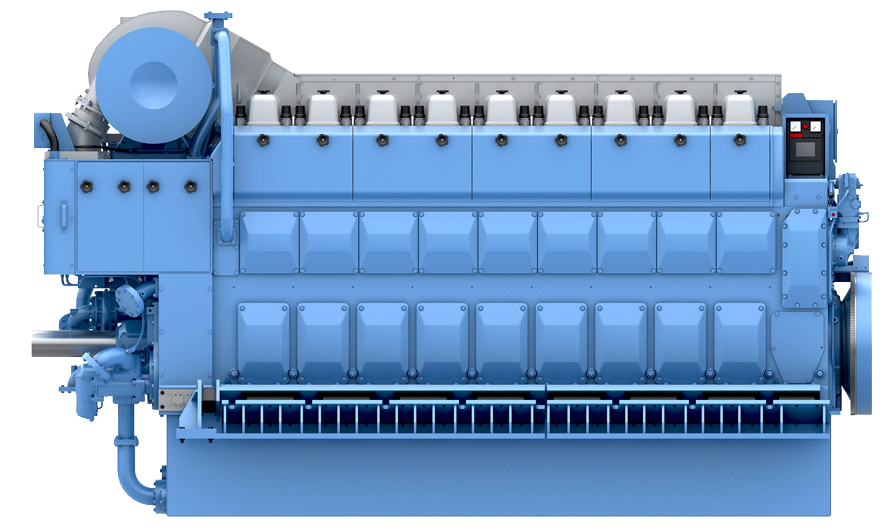


C26:33L
Natural Gas | 1.4 - 2.4 MW


Bergen Engines delivers reliable, efficient, and low-emission power solutions for the cruise and ferry markets. Our engines and gensets have been chosen for a number of leading coastal cruise and ferry vessels, including Havila Voyages, Hurtigruten and Torghatten Nord.
With a long track record in medium-speed diesel and gas engines, as well as hybrid and battery-integrated systems, we support operators seeking dependable propulsion, optimized energy performance, and reduced environmental impact. Our engines and gensets power a range of modern coastal cruise vessels and next-generation ferries, including hybrid and future fuel-ready designs.
Backed by a global service network and decades of marine expertise, Bergen Engines provides tailored solutions that meet the demanding operational profiles of cruise and ferry fleets worldwide.

In a global first for passenger shipping, Havila Polaris has completed a long-distance coastal voyage powered entirely by batteries and renewable biogas, proving that existing, commercial available technology can deliver substantial climate benefits today. The 34-port round-trip along the Norwegian coastline, from Bergen to Kirkenes and back, demonstrates how Bergen Engines’ advanced medium-speed gas technology is enabling immediate emissions reductions without compromising safety, reliability or performance.
Equipped with 2 × Bergen C26:33L6A and 2 × Bergen C26:33L9A engines, Polaris has used hybrid propulsion since its launch in 2023, combining electric power with natural gas to reduce emissions while maintaining performance.
For this historic voyage, the vessel ran entirely on renewable biogas and battery power, consuming approximately 350 cubic meters of liquid biogas over 12 days, cutting lifecycle CO2emissions by more than 90 percent compared to conventional marine fuels.
Unlike experimental fuel concepts, biogas requires no technical modifications to Bergen’s gas engines. The vessel’s four engines operated on biogas using the same operational procedures, maintenance schedules and reliability standards as LNG, demonstrating true fuel flexibility in commercial service.
All four vessels in the Havila fleet – Capella, Castor, Polaris, and Pollux – are powered by Bergen Engines, selected for their efficiency, durability and adaptability to low- and zero-carbon fuels. This flexibility enables ship owners to decarbonize progressively, starting with LNG today, switching to biogas where available, and positioning vessels for hydrogen and other future fuels as they become available, while retaining the same core propulsion system and service model.
Importantly, Bergen’s engines deliver these environmental benefits without trade-offs in uptime or operational reliability, a critical factor for passenger vessels operating tight schedules along complex coastal routes.
The Polaris voyage represents a world-first and a milestone for climate-neutral operations. By combining proven engine technology with renewable fuel options, Bergen Engines is showing that emission-free, long-distance passenger travel is achievable and that the era of low- and zero-emission maritime operations has begun.
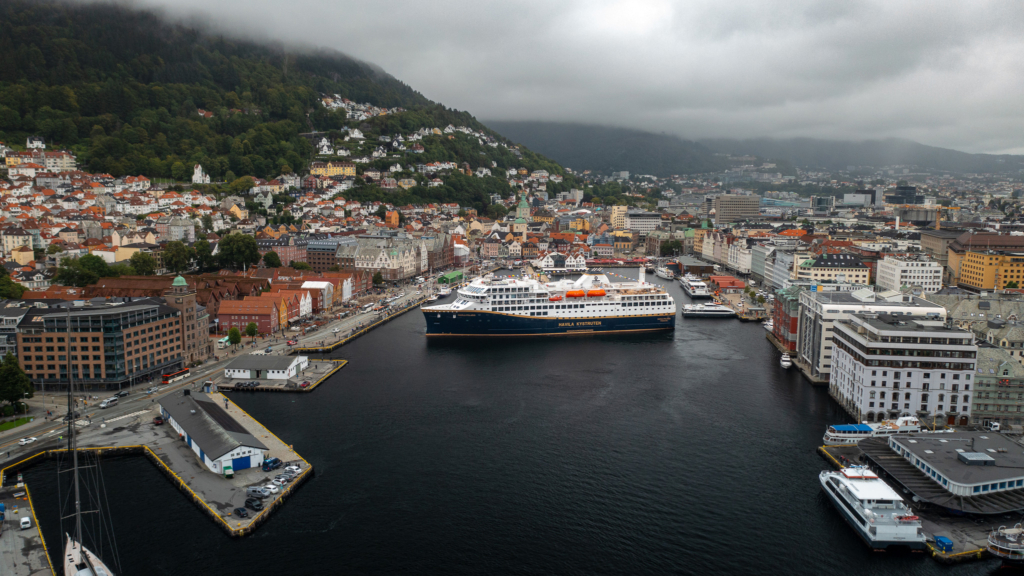
Havila Polaris. © Martin Giskegjerde / Oclin
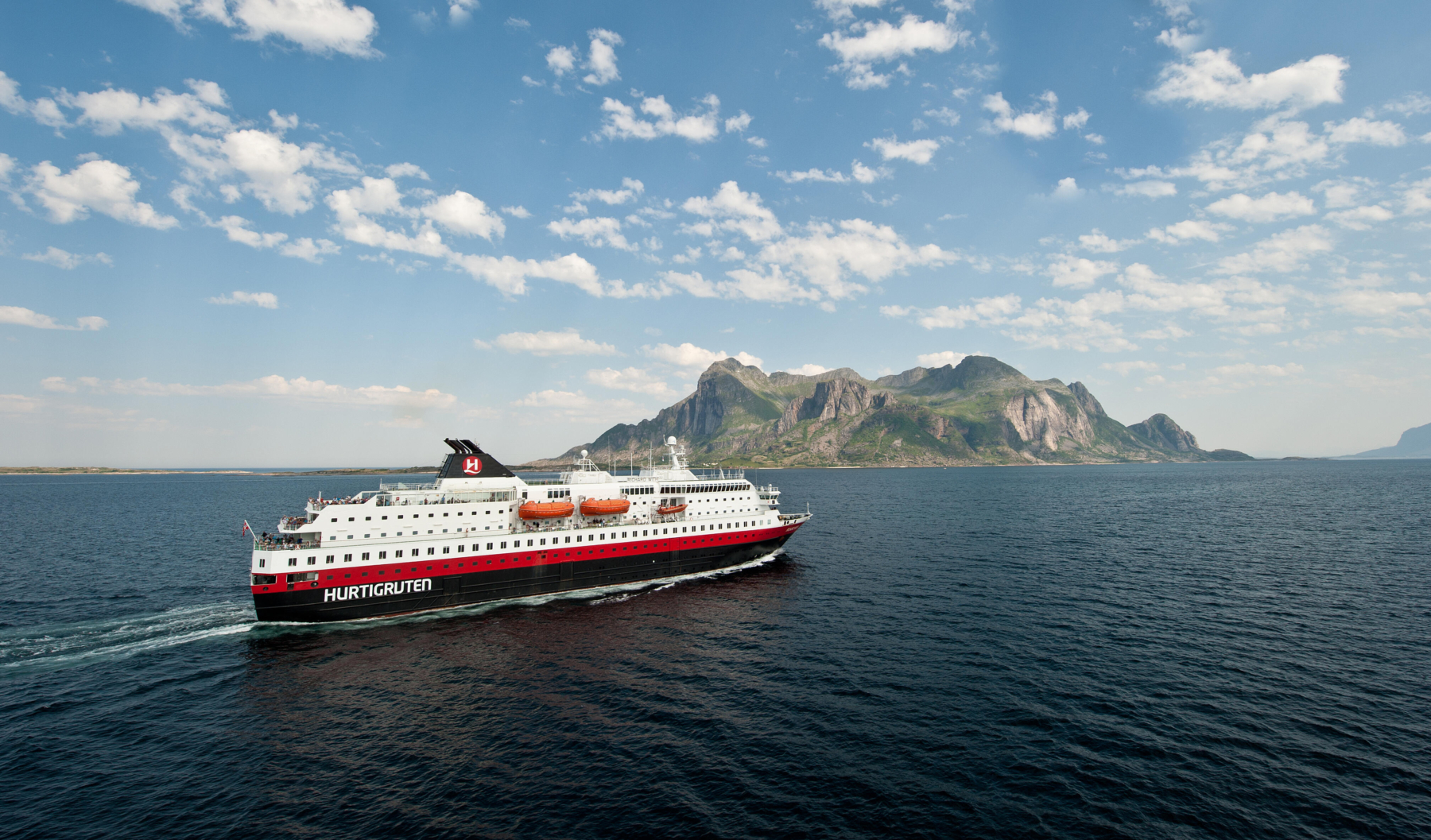
For the first time, Hurtigruten’s coastal vessel MS Richard With has completed a long-distance voyage running entirely on biodiesel, battery power, and shore electricity, achieving emissions reductions close to 100 percent along Norway’s coastal route.
MS Richard With is equipped with two Bergen B33:45L6P engines, selected for their durability, efficiency, and ability to operate seamlessly on renewable biofuels. During the 5,000-kilometre, 11-day voyage from Bergen to Kirkenes and back, the engines ran on HVO100 biodiesel produced from waste feedstocks such as used cooking oil, delivering near-zero lifecycle emissions while maintaining the vessel’s full operational capability.
Importantly, the transition to biofuel required no changes to engine hardware, operating procedures, or maintenance routines. This allows operators to decarbonize immediately while retaining the same reliability standards demanded by high-frequency coastal services.
For Richard With, battery integration, shore power in port, and Bergen Engines’ biofuel-capable propulsion combined to enable near-zero emission operations across some of Norway’s most sensitive coastal environments. This approach demonstrates how circular fuels such as biodiesel produced from waste materials can provide immediate climate impact for existing vessels, particularly in segments where zero-emission propulsion solutions are still emerging.
By enabling full biofuel operation with no trade-offs in performance or uptime, Bergen Engines is helping shipowners move from ambition to action. For cruise and passenger operators navigating tightening emissions regulations and rising sustainability expectations, MS Richard With demonstrates that climate-neutral operations are no longer theoretical. With Bergen Engines, they are already achievable.
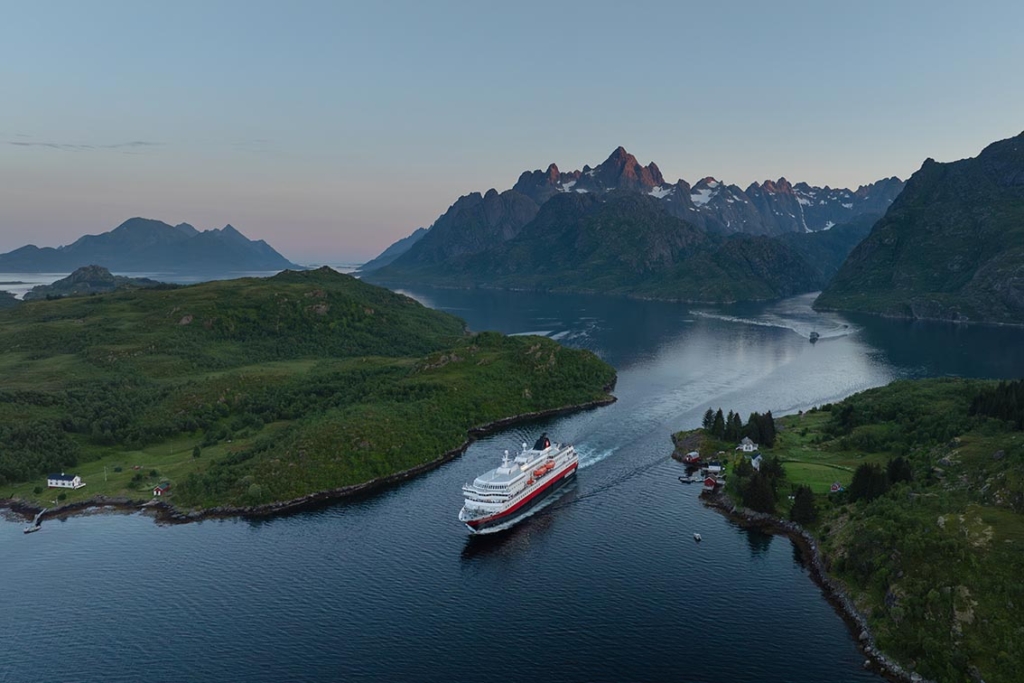
© Hurtigruten
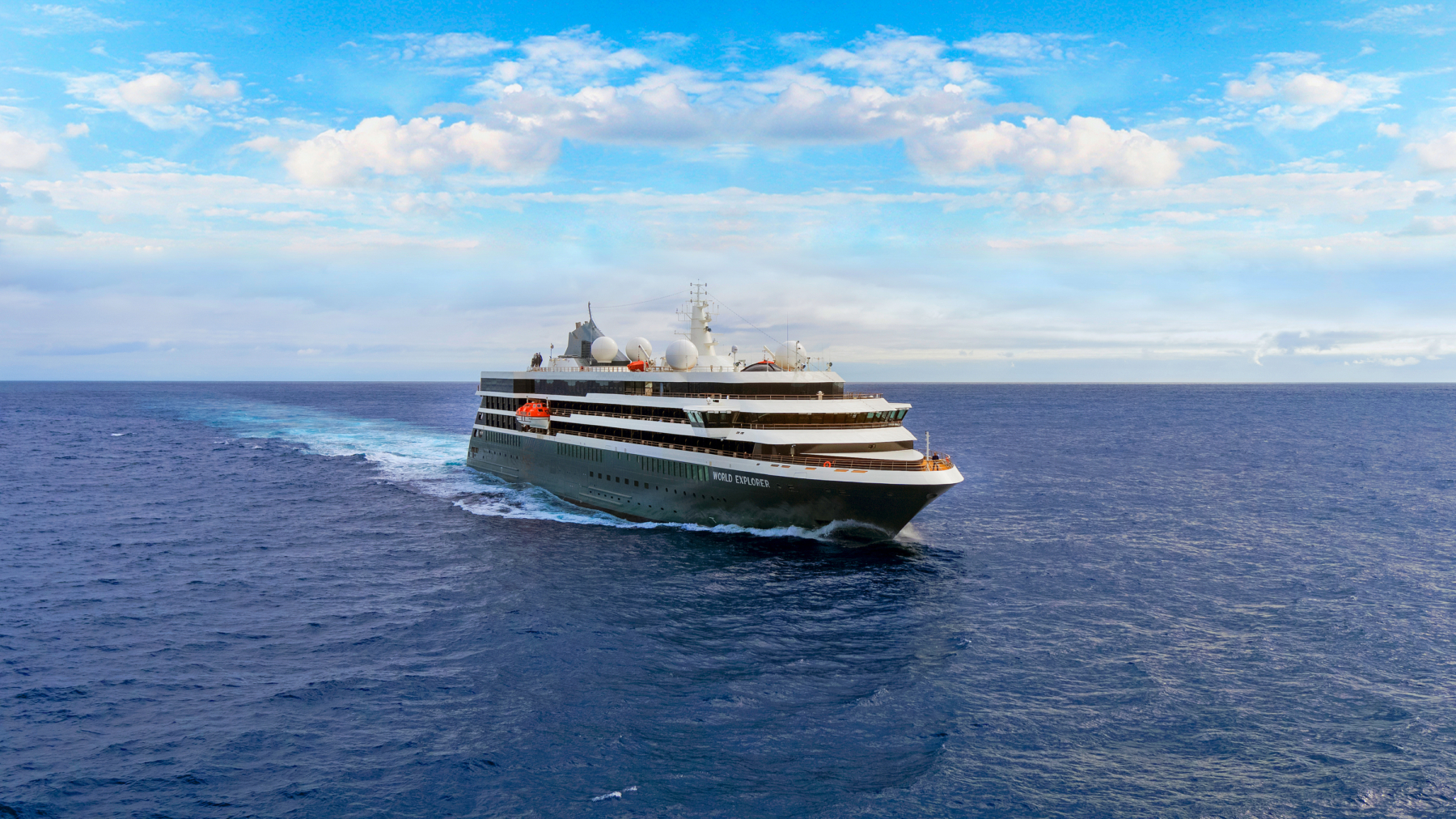
The 126m, 9,300-tonne luxury craft “World Explorer“, which entered into service in 2019, will join an existing trio of sister ships to test trial up to 50% biofuel type FAME with up to 50% MDO to substantially reduce the GHG emissions.
Each vessel is equipped with two Bergen C25:33L8P main engines and one Bergen C25:33L6P genset. A hybrid propulsion system allows the Bergen engines to operate at variable speeds, maximizing their efficiency for the required power and reducing fuel consumption and CO2 emissions.

Mystic Cruises “World Explorer”
Our customers value the reliability, efficiency, and durability of our marine engines, along with their low emissions. Designed for the future, our engines can seamlessly transition to more sustainable fuels such as biofuels.
Explore our best selling engines for Cruise & Ferries.


Please fill in your contact details below and we’ll reply as soon as we’re able.

Please fill out the enquiry form, and our dedicated team will promptly attend to your request