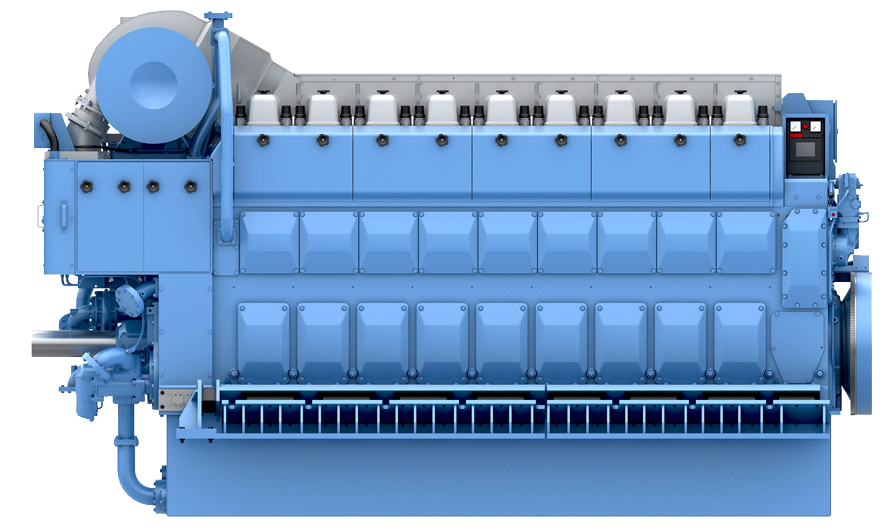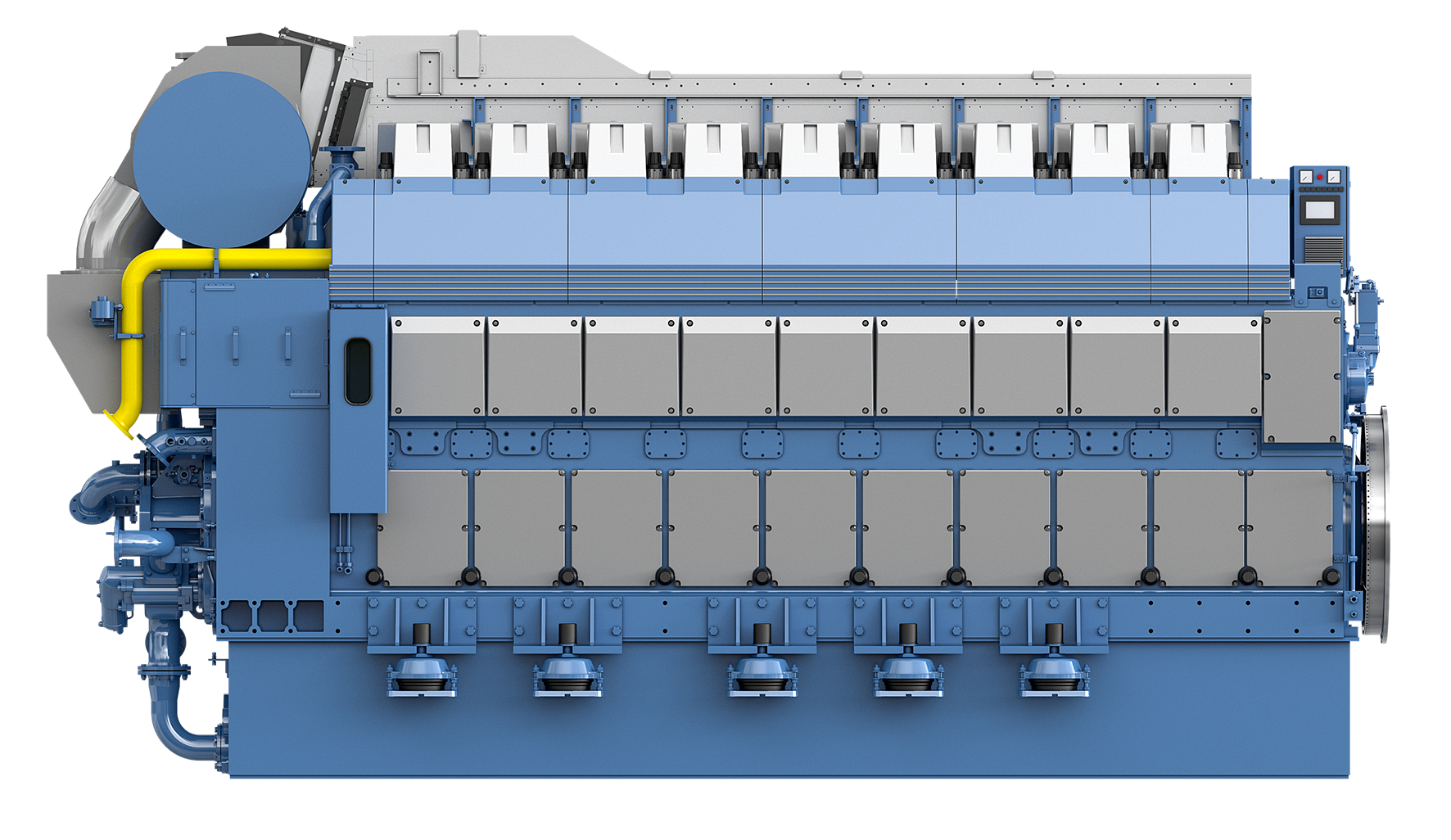

B33:45L
Liquid Fuel | 3.5 - 5.4MW


Bergen Engines is a trusted supplier of propulsion engines and generating sets for naval vessels to the Royal Norwegian Navy and other sovereign navies around the world.
Naval applications have particularly demanding requirements for reliable power and performance. We pride ourselves in meeting and exceeding such standards.
Well-proven technology with low structural noise and vibration, combined with a modular engine design, enables easier maintenance and reduced downtime – making Bergen Engines a preferred choice for applications such as coast guard vessels, research vessels, multi-function support ships, replenishment tankers, and logistics and auxiliary vessels.

Norway’s ability to maintain year-round presence in the High North depends on vessels built for endurance, strength and predictable performance. The Jan Mayen Class represents the most capable offshore patrol vessels ever delivered to the Norwegian Coast Guard.
Built by Vard and designed by LMG Marin, the vessels role is central to Norway’s maritime security including search and rescue, environmental protection, oil spill response, sovereignty patrols and long-duration missions across vast Arctic waters.
Each Jan Mayen-class vessel is equipped with four Bergen B33:45L8A generator sets, delivering 4.8 MW each. These engines are engineered for high efficiency and stable output, forming the backbone of the ships’ diesel-electric propulsion system.
A defining feature of the class is its ability to operate in temperatures down to –25°C. Extreme cold places significant stress on fuel systems, lubrication, and engine components but Bergen engines are built to run reliably in varying conditions, ensuring steady power when it matters most.
Included in the Outer Coast Guard Helicopter fleet is the icebreaker KV Svalbard which is powered by four Bergen BRG-8 engines, delivering the reliable power needed for the diesel-electric propulsion and twin 5MW ABB Azipods.
For Norway, the Jan Mayen class represents a long-term investment in national resilience, Arctic presence and maritime sovereignty. These vessels give the Coast Guard the reach and endurance needed to operate across the Barents Sea, the Norwegian Sea and the Arctic Ocean, supporting both civilian and military authorities.
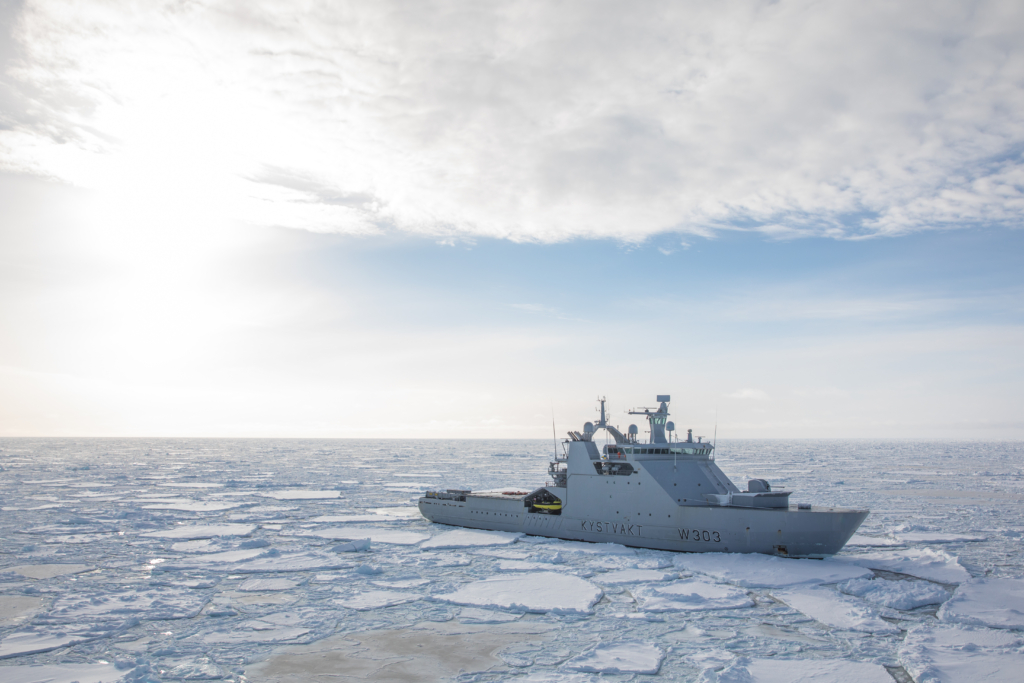
The icebreaker KV Svalbard. © Marius Vågenes Villanger.

The RRS Sir David Attenborough, commissioned by UKRI–NERC, operated by British Antarctic Survey (BAS) is one of the world’s most advanced polar research ships.
The vessel depends on four Bergen B33:45 engines (two L9A and two L6A gensets) for its diesel-electric propulsion and onboard power, delivering the silent, resilient performance required for science in the most remote regions on Earth.
BAS is rapidly decarbonising its marine fleet, and the Sir David Attenborough has become a key platform for low-carbon innovation. Trials with hydrotreated vegetable oil (HVO) began in 2023, and by the 2025-2026 season, the vessel was undertaking its 6,000-nauticalmile voyage to Uruguay and Antarctica running on HVO.
Bergen engines require no modification to operate on renewable diesel, enabling up to 94% reductions in lifecycle CO₂ emissions without affecting range or scientific capability.
Now central to BAS’s long-term science strategy, RRS Sir David Attenborough supports more than 60 research programmes each season, including studies of ocean heat transport, iceshelf stability, carbon cycling and krill ecosystems.
Bergen’s B33:45 engines ensure the silent power, fuel flexibility and reliability needed for these missions – where precision and endurance are critical, and support is thousands of miles away.
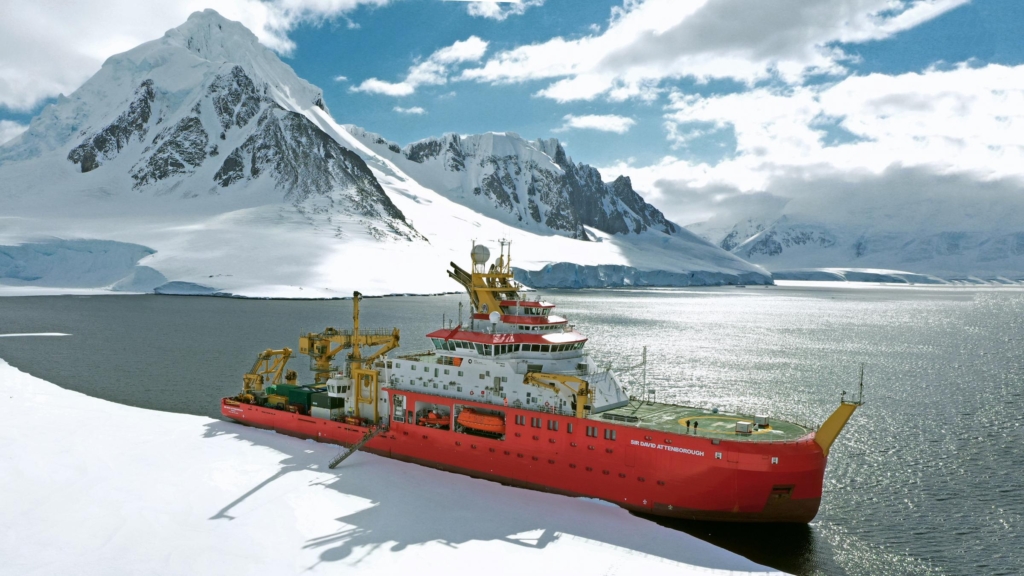
The polar research vessel, Sir David Attenborough.

Germany is modernising its emergency response capabilities with three new Scharhörn-class vessels. These next-generation multipurpose ships replace former vessels that have served for more than forty years, bringing major advances in power, efficiency and operational resilience to the North Sea and Baltic Sea.
Bergen’s B36:45L6AG engines are central to the performance of the class. Operating on liquefied natural gas, they provide lower emission power while delivering the strength required for rapid response operations.
The engines consistent, stable power supply underpins all major mission systems, from firefighting and environmental response equipment to the ship’s extensive electrical network. Additionally, they ensure dependable performance even during long-duration, high-load operations, enabling the vessels to operate safely and effectively throughout the year. Their proven ability to deliver stable output in harsh maritime environments makes them a strong match for Germany’s demanding coastal protection requirements.
The LNG propulsion system reduces emissions compared to traditional diesel engines, supporting
Germany’s long-term environmental targets. The Bergen engines are approved for operation on biofuels as they become commercially available, enabling future transition to renewable fuels without major modifications. This ensures that each vessel can meet evolving regulatory and sustainability demands over its service life.
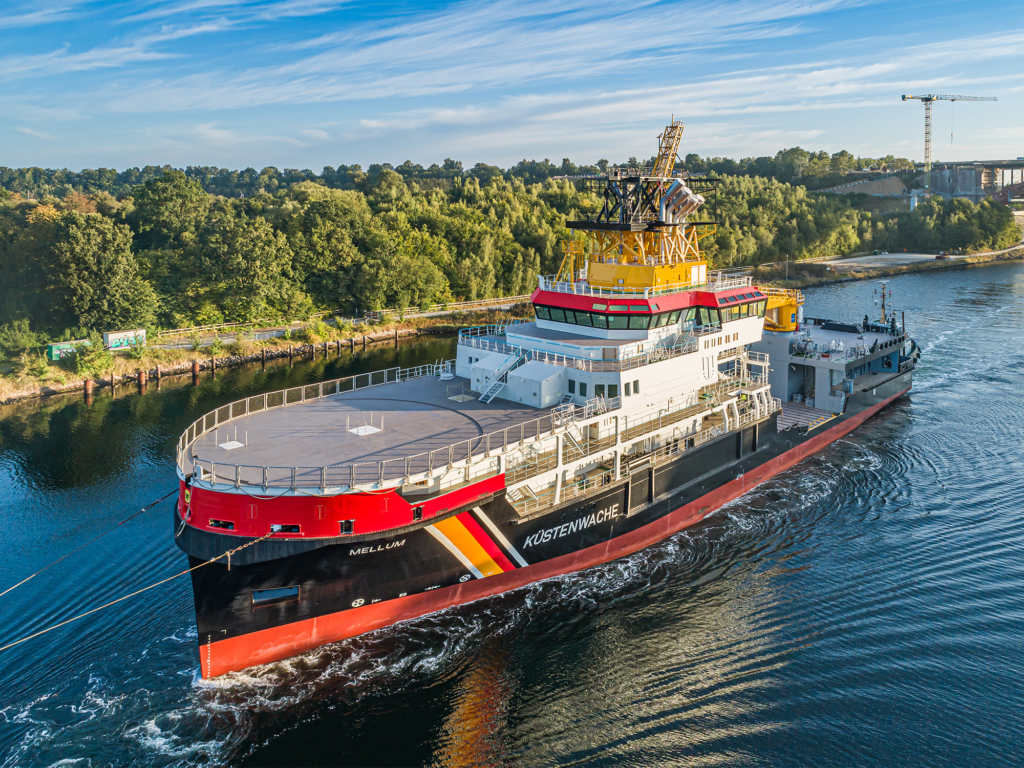
The multi-purpose coastal protection vessel, Mellum.


Please fill in your contact details below and we’ll reply as soon as we’re able.

Please fill out the enquiry form, and our dedicated team will promptly attend to your request